Area Real Estate News & Market Trends

You’ll find our blog to be a wealth of information, covering everything from local market statistics and home values to community happenings. That’s because we care about the community and want to help you find your place in it. Please reach out if you have any questions at all. We’d love to talk with you!

May 23, 2026

The Inspection Came Back With a Big Problem. Now What?

You found the house, your offer was accepted… and then the inspection report reveals a major issue. A roof problem, foundation concern, mold, radon, electrical issue, or water damage can feel stressful — but it doesn’t always mean the deal is over.

The first thing to know: home inspections uncover issues all the time. The key is understanding which concerns are manageable and which may require negotiation.

It’s also important to know that your purchase offer should define what counts as a “major” defect. Depending on how your inspection contingency is written, this may be tied to a single repair item exceeding a specific dollar amount — for example $2,000, $5,000, or whatever threshold is written into the contract — rather than a combination of smaller cosmetic repairs adding up. It may also include health and safety concerns such as elevated radon levels, mold, structural problems, or unsafe systems. That’s why understanding the language in your offer before you sign matters.

Common “Big Ticket” Concerns

• Roof or foundation problems
• Water intrusion, moisture, or mold concerns
• Electrical or safety concerns
• High radon levels requiring mitigation
• HVAC or plumbing systems needing major repair

What Are Your Options?

1. Ask for Repairs
Request the seller fix the issue before closing.

2. Negotiate a Credit or Price Reduction
Instead of repairs, you may negotiate money toward the cost of fixing it yourself.

3. Renegotiate
Sometimes buyers and sellers meet in the middle to keep the deal moving.

4. Walk Away
If the issue is serious and negotiations don’t work, your inspection contingency may allow you to cancel the contract.

The Bottom Line

An inspection report can feel intimidating, but a major issue doesn’t automatically kill the deal. Knowing your options — and understanding what your contract defines as a major defect — can help you move forward with confidence.

Posted in Buying a Home
May 23, 2026

Capital Region Market Update April 2026

Capital Region Real Estate Market Update — April 2026 Albany, Schenectady, Saratoga & Rensselaer Counties | Single-Family Homes | Global MLS

The spring market is in full swing — and the competition is real.

April delivered exactly what the late-arriving spring inventory wave promised: an active, aggressive market where motivated buyers are moving fast and pulling out all the stops to win. The data confirms it, and what we're seeing on the ground confirms it even more clearly.

What the data is telling us

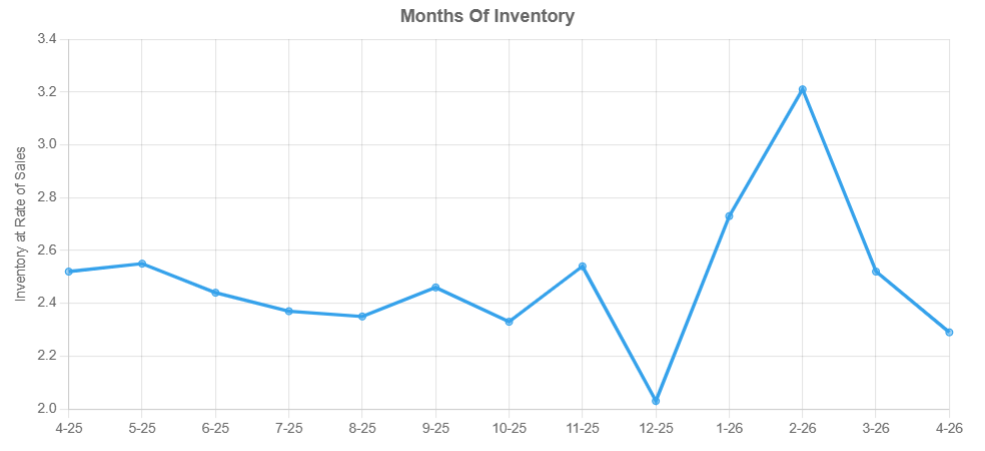
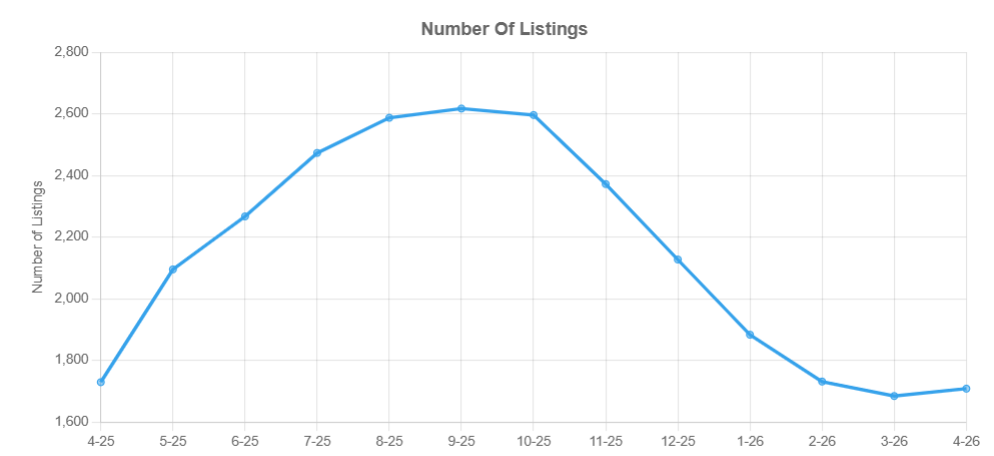
New listings surged to 1,280 in April, up 27% from April 2025 and continuing the momentum that began in March. Active inventory held essentially flat at 1,708 homes, meaning new supply is being absorbed by buyers almost as fast as it arrives. Months of supply tightened to 2.29 — down from 2.52 in March — a clear signal that demand is outpacing the spring inventory build.

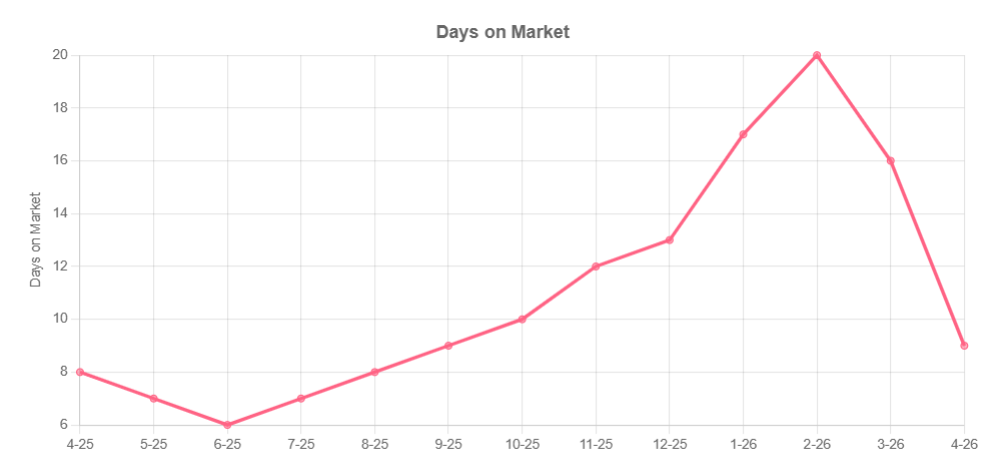
The pace of sales tells the same story. Median days on market dropped to just 9 days in April, down from 16 in March and matching last spring's urgency. The fastest-moving homes are going in days — sometimes hours — after hitting the market. 911 pending sales signal a strong May closing pipeline ahead.

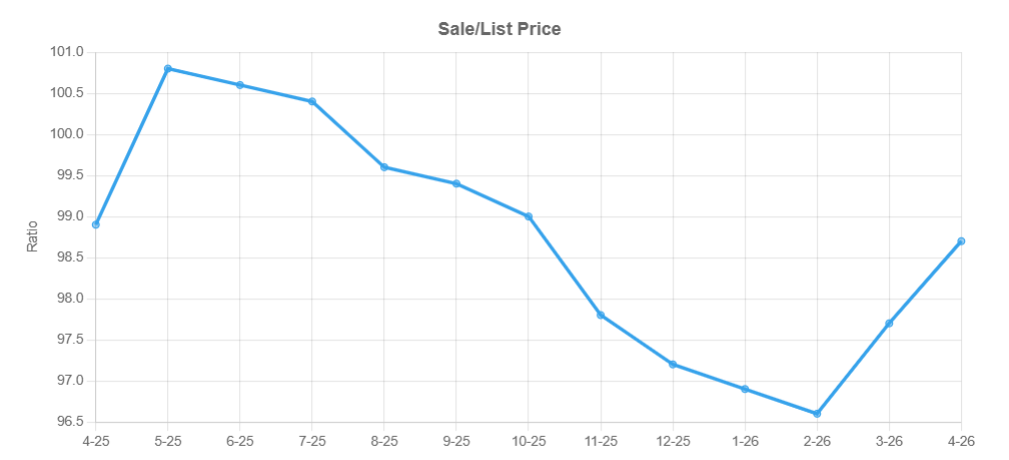
The sale-to-list ratio came in at 100.7%, meaning sellers are averaging above asking price. The sale-to-original-list ratio of 98.7% reflects that some homes required price adjustments, but those that were priced correctly from the start are commanding full price or better.

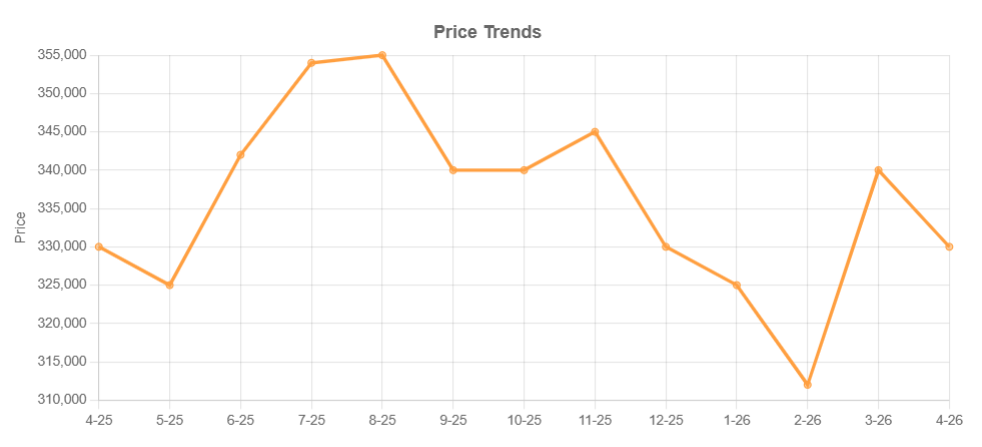
On the pricing side, the median sale price settled at $330,000 — essentially flat compared to April 2025's $330,000 — while the average sale price of $391,580 is up modestly from $390,528 a year ago. Price stability at these levels, combined with ongoing above-ask sales, reflects a market that is highly competitive rather than rapidly appreciating.

What we're seeing on the ground

Buyers are not just active, they are aggressive in a way that has escalated meaningfully this spring.

Multiple-offer situations remain the norm on well-priced, move-in-ready homes. But what's changed is how buyers are competing. Appraisal gap coverage has become a regular feature of winning offers and it's worth noting this doesn't always mean covering the full gap. In many cases, buyers are committing to cover a portion of the difference between the appraised value and the purchase price, putting their money where their mouth is. In a multiple-offer situation, that willingness to share the risk with the seller can be the deciding factor. Inspection contingencies are also being raised significantly — from the traditional $2,000 threshold up to $10,000 or more on recent offers. Buyers are signaling they're serious and not looking for a reason to walk away over minor defects.

It's important to note, however, that none of this urgency reaches a home that isn't priced to attract it in the first place. The aggressive offers, the appraisal gap coverage, the raised contingencies — these are the behaviors of buyers who feel they're competing for something worth fighting for. A home that isn't generating that initial excitement and drawing multiple buyers to the table is unlikely to see this level of competition. Without that urgency in the room, the dynamic simply doesn't materialize in the same way. Sellers who are experiencing a quiet market may be receiving a signal worth listening to.

The data reflects this divide. Average active price reductions of $36,116 (-7.11%) tell the story of sellers who entered the market with unrealistic expectations and are now chasing buyers down. In this market, condition and pricing remain the two variables entirely within a seller's control — and they matter as much as ever.

A note on mortgage rates

The 30-year fixed rate has remained in the mid-to-upper 6% range through April and into May 2026. While not dramatically different from a year ago, buyers who locked earlier in the spring cycle are in a better position than those still waiting for a meaningful rate drop. The Fed's posture remains cautious, and significant rate relief is not guaranteed in the near term. Buyers who find the right home should focus on the long-term value of homeownership rather than timing a rate move that may not come.

Looking ahead

May and June historically bring the highest volume of new listings in the Capital Region, and 2026 should be no different. More inventory will give buyers more options, but as April demonstrated, supply is being met almost immediately by demand. The most desirable homes will continue to move quickly and attract competing offers.

For sellers: this is a strong moment to be on the market. Price it right, prepare your home, and be ready for a fast-moving process. Buyers are serious and financially prepared — but they are also selective. The homes earning the most attention are the ones that deserve it.


For buyers: work closely with your agent to understand the competitive landscape before you make an offer. Know what you're willing to do on appraisal gap coverage. Have your inspection strategy ready. The buyers winning right now are the ones who walked into the process prepared — not the ones who figured it out after losing a home.Number of Listings June 2026
 

May 23, 2026

Protect Your Investment: 5 Must-Do Maintenance Tips for NY Homeowners

As warmer weather arrives across New York, it’s the perfect time for homeowners to tackle seasonal maintenance before small issues become expensive repairs. Whether you're staying or selling, keeping on top of routine upkeep not only protects your investment but can also improve curb appeal and long-term property value.  

Here are five important maintenance items New York homeowners should focus on right now:

1. Inspect Roofs & Gutters

Winter snow, ice, and wind can take a toll on roofing and drainage systems. Check for missing shingles, clogged gutters, and signs of water damage around the home. Clean gutters and proper drainage help prevent foundation issues and costly leaks.

2. Service Air Conditioning Systems

Before summer heat arrives, schedule an HVAC inspection and replace air filters. A properly maintained cooling system runs more efficiently, lowers energy costs, and helps avoid mid-summer breakdowns.

3. Seal Cracks & Check Exterior Surfaces

Freeze-thaw cycles common in New York can cause cracks in driveways, walkways, foundations, and siding. Sealing gaps early helps prevent moisture intrusion and further deterioration and damage.

4. Refresh Outdoor Living Spaces

Patios, decks, and outdoor entertaining areas are highly desirable features for homeowners and buyers alike. Power wash surfaces, inspect decks for loose boards, and clean outdoor furniture to get ready for summer gatherings.

5. Test Safety Devices

Replace batteries and test smoke detectors, carbon monoxide detectors, and sump pumps. Spring storms and summer weather can put additional stress on home systems, making preventative checks especially important.


Routine maintenance keeps homes safer, more efficient, and market-ready year-round. A little attention now can save homeowners significant time and money later.

May 23, 2026

Fire Up Summer: Grill Prep Tips That Add Backyard Appeal

Summer grilling season is here, and a little prep work can help you cook safer, tastier meals all season long. Before your first backyard barbecue, take a few minutes to get your grill in top shape with these simple tips:

  1. Give It a Deep Clean
    Remove old grease, food residue, and ash buildup from grates and trays. A clean grill heats more evenly and helps prevent flare-ups.
  2. Check Your Fuel Source
    For gas grills, inspect hoses and connections for cracks or leaks. If you use charcoal, stock up now so you’re ready for impromptu cookouts.
  3. Replace Worn Grill Brushes & Tools
    Old grill brushes can shed dangerous bristles. Start the season fresh with clean, sturdy grilling tools.
  4. Test the Heat
    Fire up the grill before your first gathering to make sure burners ignite properly and temperatures stay consistent.
  5. Refresh Your Outdoor Setup
    Wipe down patio furniture, replace worn grill mats, and make sure you have enough lighting and seating for guests.


With just a little preparation, you’ll be ready for burgers, steaks, vegetables, and summer memories all season long. Happy grilling!

April 17, 2026

Why the Highest Offer Isn’t Always the Best Offer

In a competitive real estate market, it’s easy to assume the highest offer wins. While price is certainly important, it’s only one piece of a much larger equation. In reality, the strongest offer is often the one that gives the seller the most certainty, flexibility, and confidence—not necessarily the highest dollar amount.

Understanding how to structure an offer beyond price can make the difference between winning and losing in multiple-offer situations.


It’s Not Just About Price

Every offer is made up of multiple terms, and sellers evaluate the overall strength and reliability of the entire package. Two offers with different prices can feel very different depending on the structure behind them.

This is where strategy matters.


The Key “Levers” That Strengthen an Offer

1. Price

Yes—price matters. But it is only one lever among several. A slightly lower offer can sometimes outperform a higher one if the rest of the terms reduce risk for the seller.


2. Deposit / Earnest Money

A strong deposit signals commitment.

This money goes toward your purchase (down payment or closing costs), but more importantly, it shows the seller you are serious and financially prepared.

A larger deposit can often make an offer stand out immediately.


3. Financing Strength

Not all financing is equal in the eyes of a seller.

  • Cash offers = highest certainty
  • Conventional loans = generally strong and flexible
  • FHA / VA / USDA loans = excellent programs, but sometimes viewed as more complex due to appraisal or underwriting requirements

Sellers often ask:
How likely is this deal to close smoothly and on time?

The simpler and more certain the financing, the stronger the offer.


4. Inspection Terms

Inspection strategy can significantly impact offer strength:

  • Waiving inspections entirely (highest risk, highest strength signal)
  • Limiting inspection scope (for informational purposes only)
  • Increasing defect thresholds (reducing small repair negotiations)
  • Excluding known issues or pre-disclosed items

These adjustments can reduce uncertainty for the seller and make your offer more competitive—even without changing price.


5. Appraisal Gap Coverage

In rising markets, appraisals can become a sticking point.

An appraisal gap guarantee means the buyer agrees to cover a portion (or all) of the difference if the home appraises below the purchase price. This reduces the risk of the deal falling apart.


6. Down Payment Strength

A higher down payment can signal financial stability and reduce lender risk. Even when financing is used, a strong down payment can make the offer more attractive.


7. Closing Timeline

Timing matters more than many buyers realize.

  • Quick close = attractive if seller wants speed
  • Flexible closing = valuable if seller needs time to relocate
  • Delayed closing / rent-back options = helpful for sellers who need transition time

Meeting the seller’s ideal timeline can sometimes outweigh a higher price.


The Bottom Line

All offers are not created equal.

The highest offer is not always the strongest offer.

In a competitive situation, if you can’t increase your price, the smartest move is to adjust other levers—deposit strength, financing structure, inspection strategy, appraisal gap coverage, or closing flexibility—to build a more compelling overall package.

A well-structured offer reduces risk for the seller, increases certainty of closing, and often wins in situations where price alone would not.


Final Thought

Winning in today’s market isn’t just about paying more—it’s about presenting the cleanest, most reliable, and most attractive path to closing.


A knowledgeable buyer’s agent can help you strategically balance these levers so your offer stands out for all the right reasons.

April 17, 2026

Focus on Market Value, Not Asking Price

One of the biggest mistakes buyers make is focusing too heavily on the asking price. In today’s market, list price is often a strategy—not a direct reflection of value. Many sellers intentionally price slightly below market to generate strong interest and multiple offers. Because of this, buyers who limit themselves to “just at or slightly above asking” can miss out on homes that actually align with their budget and value expectations.

What Really Matters

Instead of anchoring to list price, buyers should focus on:

  • Recent comparable sales in the area
  • Current competition and demand
  • Condition, updates, and location differences
  • Overall market trends

These factors determine true market value—not the number on the listing.

Why Over Asking Doesn’t Mean Overpaying

In competitive situations, homes often sell above asking price because the list price was intentionally set lower to attract interest. Paying over asking in these cases doesn’t mean overpaying—it often means paying what the home is actually worth in the current market.

The Bottom Line

Asking price is a marketing tool, not a value benchmark. Buyers who rely on data—not emotion—are better positioned to write competitive offers and avoid missing out on the right home. A knowledgeable buyer’s agent can help interpret the numbers and guide you toward a strong, informed offer.

April 17, 2026

Capital Region Market Update March 2026

Capital Region Real Estate Market Update — March 2026 Albany, Schenectady, Saratoga & Rensselaer Counties | Single-Family Homes | Global MLS

The Capital Region housing market is officially shifting into its spring cycle — just on a slightly delayed timeline compared to prior years.

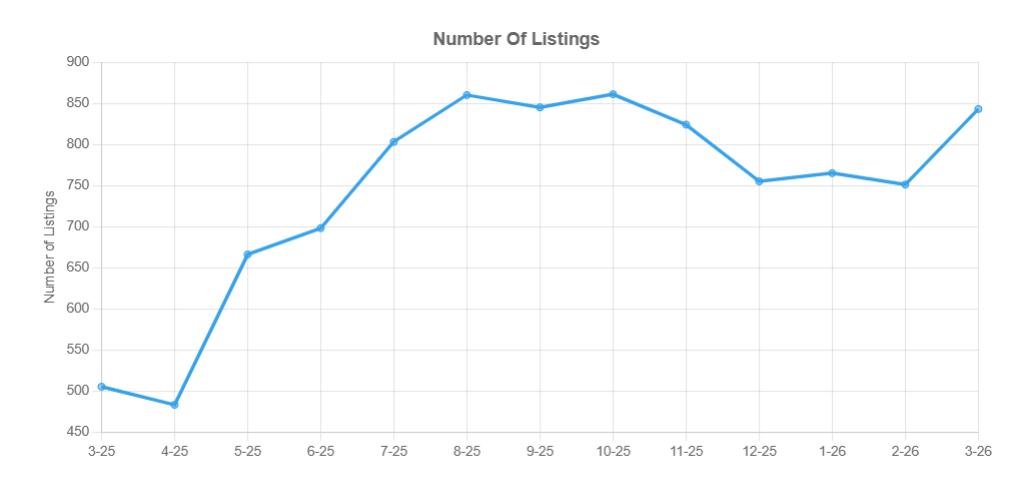
After a slower start to 2026, March brought a meaningful surge in new inventory, with 655 new listings entering the market — a 40% jump from February's 468. That momentum is carrying into April, signaling the busy spring season has arrived.

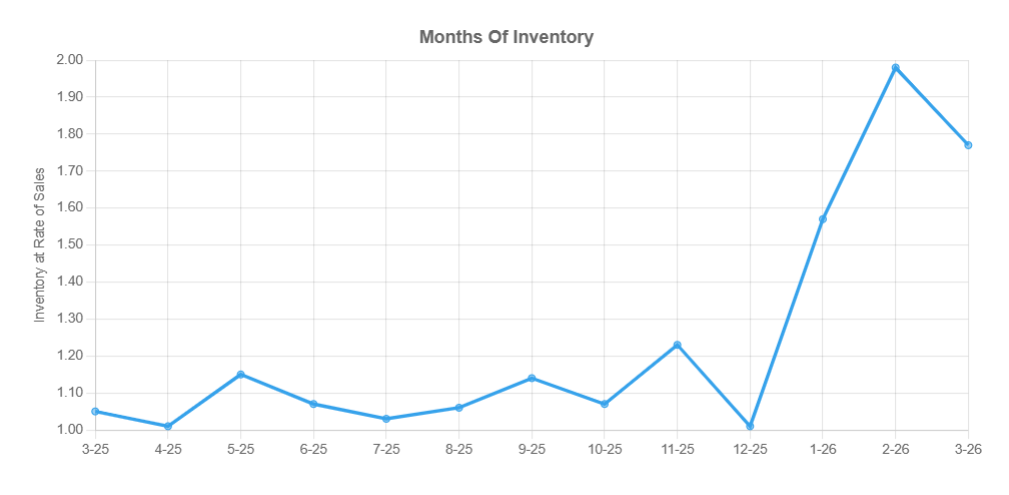
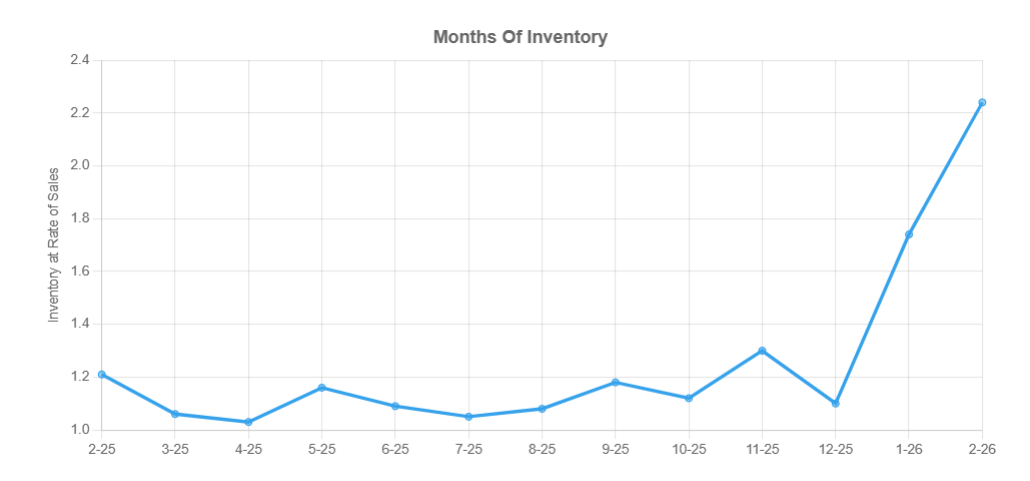
It's important to keep that inventory increase in perspective, though. With 843 active listings and just 1.77 months of supply, we remain firmly in seller-leaning territory. A balanced market typically requires 4–6 months of supply. For context, we sat at 1.05 months of supply in March 2025 — so while inventory is rising, we are still far from balanced.

What the data is telling us

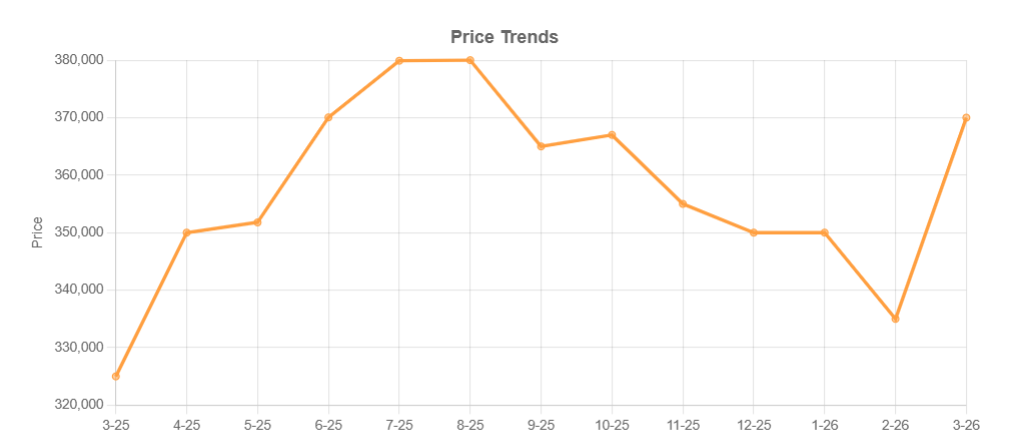
Home values continue to climb. The median sale price reached $370,000 in March, up from $325,000 in March 2025 — a 13.8% year-over-year increase. The average sale price came in at $432,972, also up meaningfully from $382,801 a year ago.

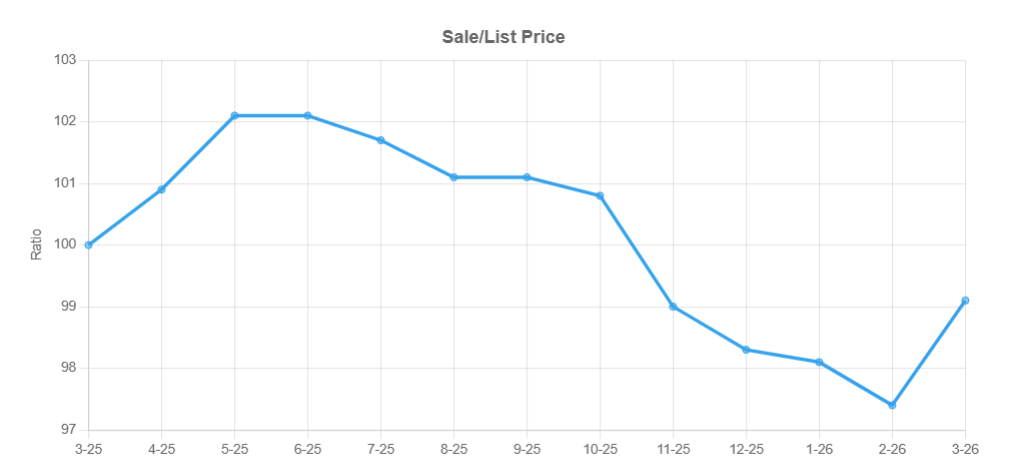
Sellers are still getting above asking price on average, with a sale-to-list ratio of 100.8%. But the fuller picture is in the sale-to-original-list ratio of 99.1% — homes that required price reductions ultimately closed slightly below their original ask. That gap tells the story of a market where pricing correctly from day one still matters.

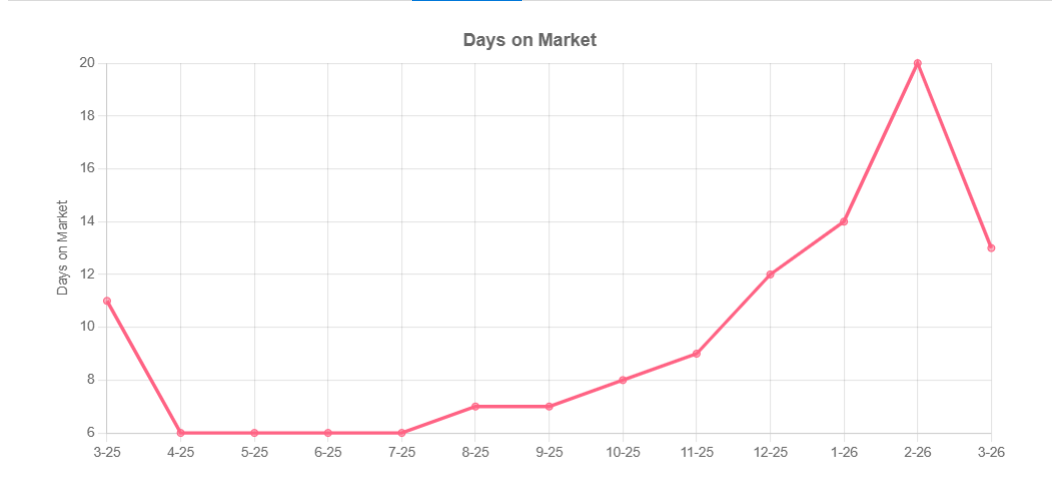
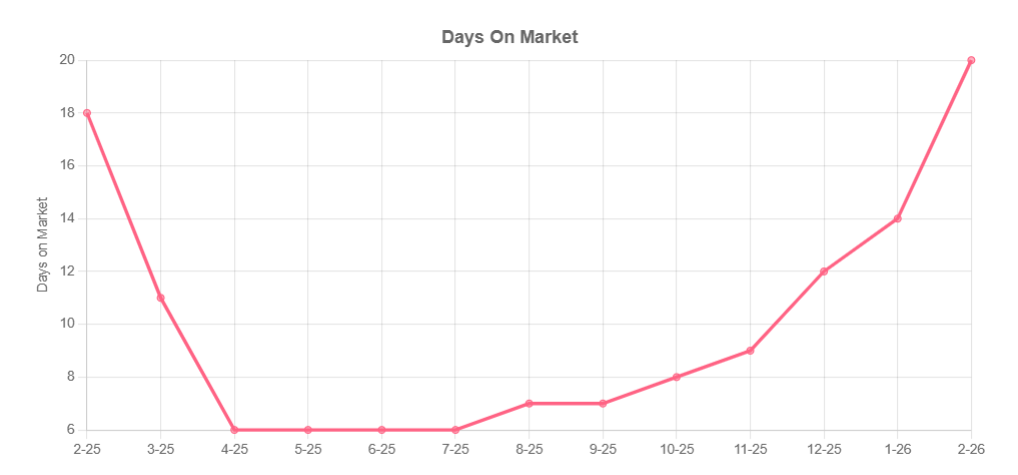
Days on market reflect the same two-speed dynamic. The average is 40 days, up from 33 days in March 2025, as buyers exercise more patience with homes that don't meet their standards. But the median is just 13 days — meaning the right homes are still flying off the market in under two weeks.

What we're seeing on the ground

Buyers are out in force and acting with urgency. Well-maintained, move-in-ready homes priced accurately are receiving multiple offers within days. Hesitation costs buyers — if a home checks your boxes, waiting is a risk.

At the same time, a clear divide has emerged. Homes that need work or are priced above market are sitting. The average active listing has seen a price reduction of $25,624 (-4.47%) — evidence that sellers who mispriced at launch are having to chase the market down. This selectivity is a meaningful shift from the past few years, when nearly everything sold quickly regardless of condition.

Looking ahead

As we move through April and May, inventory will continue to build, giving buyers more options. But more options doesn't mean less competition for the best homes — demand for quality, well-priced properties shows no sign of slowing.

For sellers: this is still a strong market, but strategy matters more than it did two years ago. Proper pricing and presentation are not optional extras — they are the difference between a quick, competitive sale and a price reduction.

For buyers: preparation and decisiveness remain your best tools. Get pre-approved, know your number, and be ready to move when the right home appears.

March 2026 Number of Listings

March 2026 Price Trend

March 2026 Sale to List Price

March 2026 Months Inventory

March 2026 Days on Market


March 14, 2026

How to Attract Multiple Offers in a Seller’s Market

In a strong seller’s market, homes that are priced and presented strategically often attract multiple offers—a situation every seller dreams of. Not only can multiple offers drive up the sale price, but they also give you leverage to negotiate terms beyond just price, making the sale work best for your needs.

1. Price Strategically

Even in a seller’s market, pricing your home correctly is key. Homes priced slightly below market value or at a competitive level often generate more interest and showings, increasing the likelihood of multiple offers. Overpricing can limit interest, even when inventory is low.

2. Present Your Home at Its Best

First impressions matter. Small improvements, staging, and professional photography can make your home stand out in a crowded market. Buyers are more likely to compete when a home feels move-in ready and desirable.

3. Create Urgency

Marketing your home with a clear timeline—such as a specific offer review date—can encourage buyers to submit offers quickly and competitively. When buyers feel they may miss out, it can create a bidding environment.

4. Attracting Multiple Offers Gives You Negotiation Power

Multiple offers aren’t just about driving up price—they increase your flexibility in negotiations. You can:

  • Choose the strongest offer in terms of price, financing, and contingencies
  • Negotiate closing dates or rent-back agreements that fit your timeline
  • Negotiate the terms for inspections and/or appraisal gap

Essentially, multiple offers give you the advantage of choice, allowing you to select the terms that work best for you rather than accepting the first offer that comes in.

5. Start With a Seller Consultation

The best way to position your home to attract multiple offers is to start with a seller consultation. We’ll review your goals, discuss your timeline, and create a tailored strategy for pricing, marketing, and negotiating to get the most competitive outcome.

💡 Tip: Even in a seller’s market, preparation is what separates a smooth, profitable sale from a stressful one. Multiple offers are possible, but only when strategy meets market awareness.


📩 Ready to explore how your home can stand out and attract multiple offers? Schedule your seller consultation today!


March 14, 2026

Why a Home Buyer Consultation Is the Most Important First Step

Many buyers jump straight into scrolling listings or touring homes online. While it’s exciting to start the search, the most successful buyers always begin with a home buyer consultation.

A buyer consultation helps you start the process informed, confident, and prepared—especially as we head into the competitive Spring 2026 housing market.

1. Clarifying Your Goals

A consultation is the time to talk about what you truly want in a home. Location, lifestyle needs, commute, schools, future plans, and must-have features all play a role in identifying the right property. Taking the time to discuss these priorities helps avoid wasted time looking at homes that aren’t the right fit.

2. Understanding the Current Market

Every real estate market behaves differently. During a buyer consultation, we review current trends, pricing expectations, and inventory levels so you know exactly what to expect when making offers. Understanding the market helps you make stronger decisions when the right home appears.

3. Creating a Smart Strategy

In competitive markets, preparation is everything. A consultation allows us to map out a plan for touring homes, preparing offers, and positioning you as a strong buyer. When buyers have a clear strategy, they’re far more confident when it’s time to act.

4. Connecting the Pieces

Buying a home involves more than just finding a property. Financing, inspections, timelines, and negotiations all play important roles. During a consultation we walk through the entire process step-by-step so there are no surprises along the way.

5. Saving Time and Reducing Stress

When buyers start with a consultation, they avoid common mistakes and unnecessary stress. Instead of feeling overwhelmed by the process, they move forward with a clear roadmap and the support they need to make informed decisions.

Ready to Get Started?

As we approach the Spring 2026 home buying season, preparation can make all the difference. I’m currently offering virtual and in-person home buyer consultations to help buyers get a head start before the market becomes more competitive.

If you’re considering buying a home this year, starting with a consultation is the best way to set yourself up for success.

March 14, 2026

Capital Region Market Update February 2026

February 2026 Market Snapshot: More Listings, Steady Prices

Albany • Schenectady • Saratoga • Rensselaer 

The Capital Region housing market is beginning to show signs of greater balance as we head into the spring market, with more homes available and buyers gaining slightly more time to make decisions. However, demand remains strong and home values continue to hold steady.

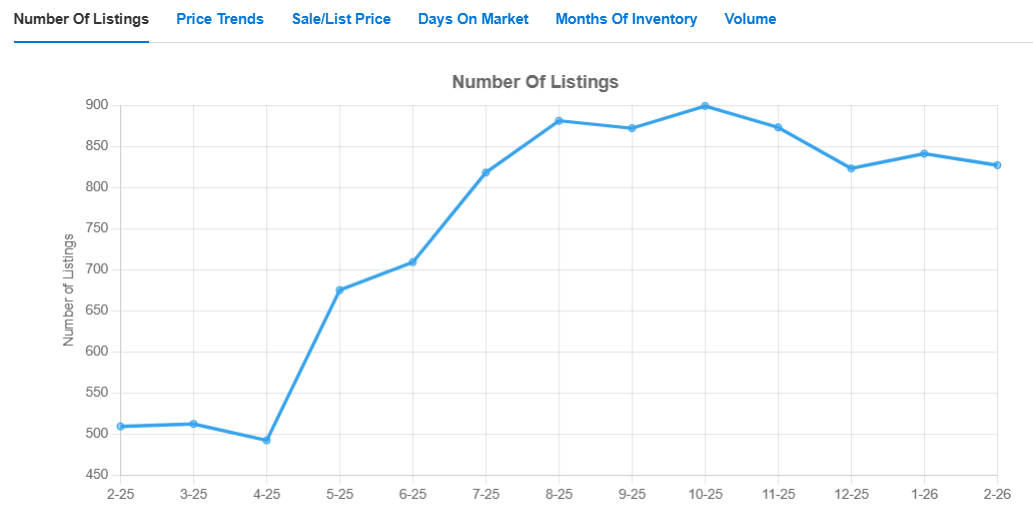
One of the most notable changes is the increase in available homes. Active listings rose to 817 homes in February, compared with 509 at the same time last year. While this is a significant increase, inventory still sits at just 2.2 months of supply, which is well below the 5–6 months typically considered a balanced market. In other words, sellers still maintain an advantage, but buyers are starting to see more choices.

Homes are also taking a bit longer to sell. The average days on market increased to 41 days, up from 34 days last February. This indicates buyers are being a little more deliberate in their decisions and that pricing strategy is becoming increasingly important for sellers.

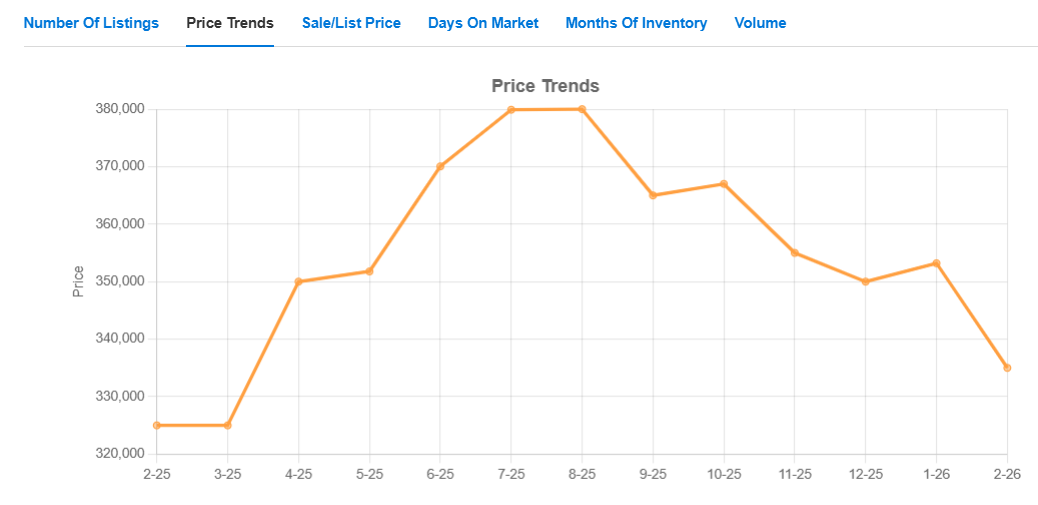
Despite these shifts, home prices remain strong. The median sale price in February was $335,000, while the average sale price reached $425,805, reflecting continued demand across Albany, Saratoga, Rensselaer, and Schenectady counties.

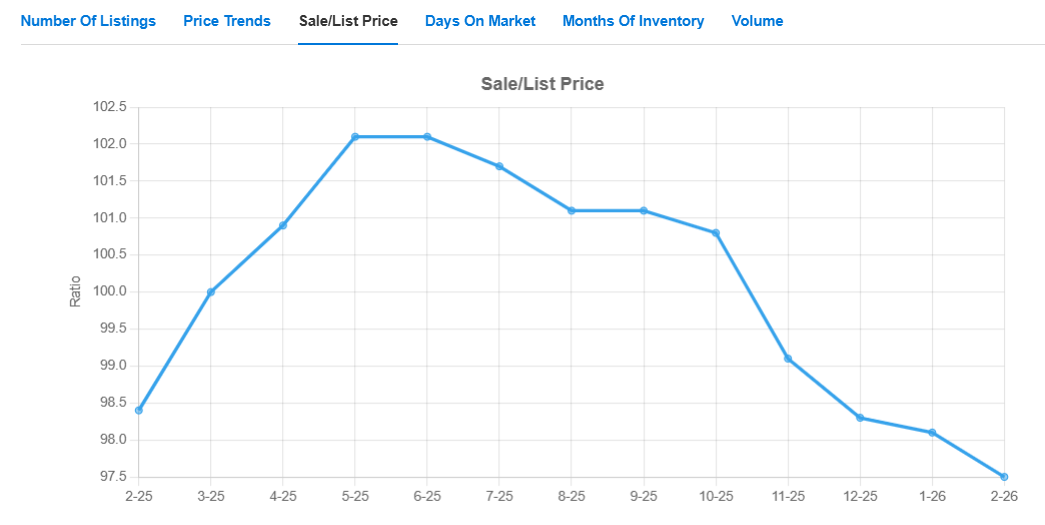
Another sign of a stabilizing market is that homes are now selling closer to their asking price. Earlier in 2025 many homes sold several percent above list price, but February sales averaged 100% of list price, showing that bidding wars are becoming less common.

What This Means Going Into Spring

The local market is transitioning from the extremely competitive conditions of the past few years toward a healthier, more balanced environment.

For buyers, this means:

  • More homes to choose from
  • Slightly less intense competition

For sellers, this means:

  • Home values remain strong
  • Proper pricing and presentation are more important than ever

As we approach the spring market—the busiest time of year for real estate—both buyers and sellers should expect increased activity and more new listings hitting the market.

Listings Feb 2026

Price Trend 2026

Sale to List Price Feb 2026

Months Inventory Feb 2026