January 2026 Market Snapshot: Inventory Is Building - But Still Tight
Albany • Schenectady • Saratoga • Rensselaer
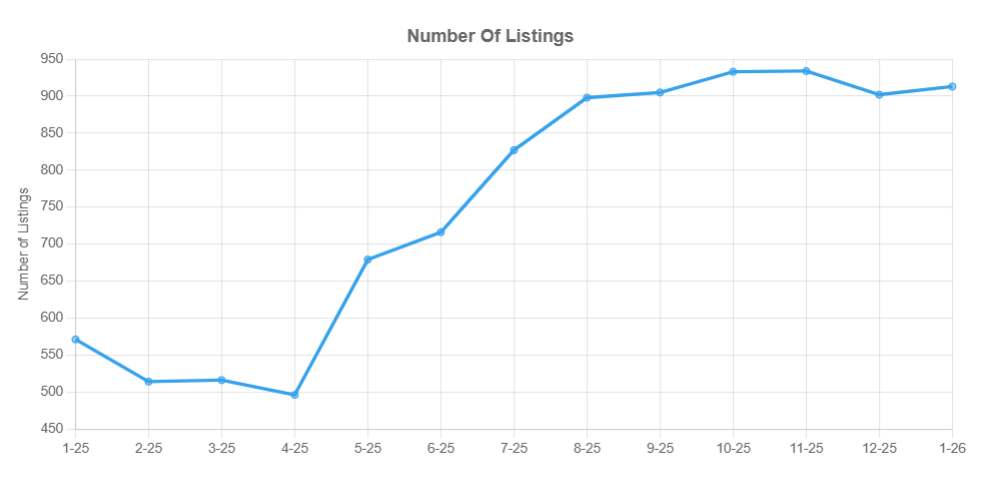
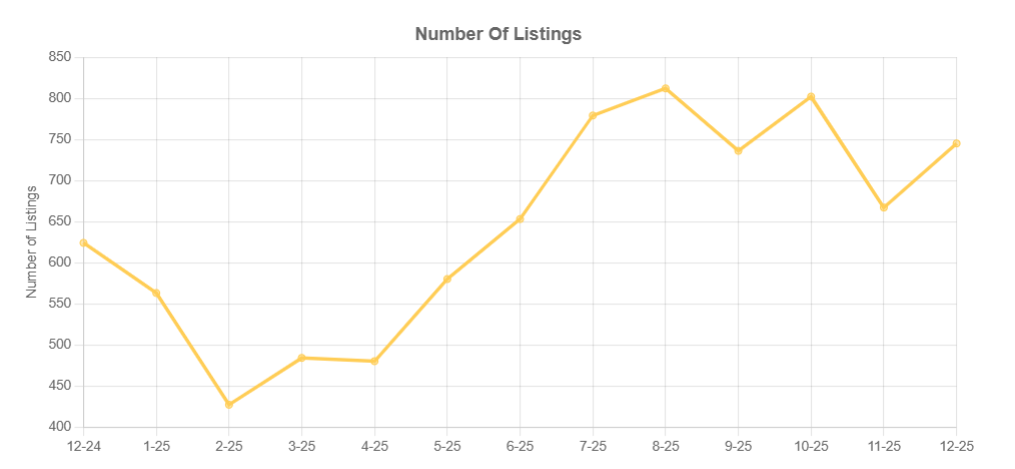
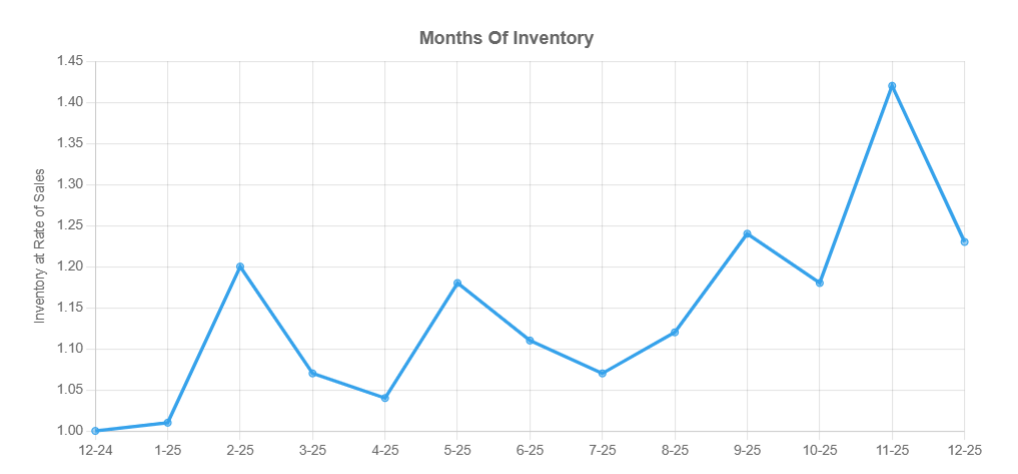
January brought a noticeable shift in inventory, with 913 active homes on the market — the highest level we’ve seen in the past year.
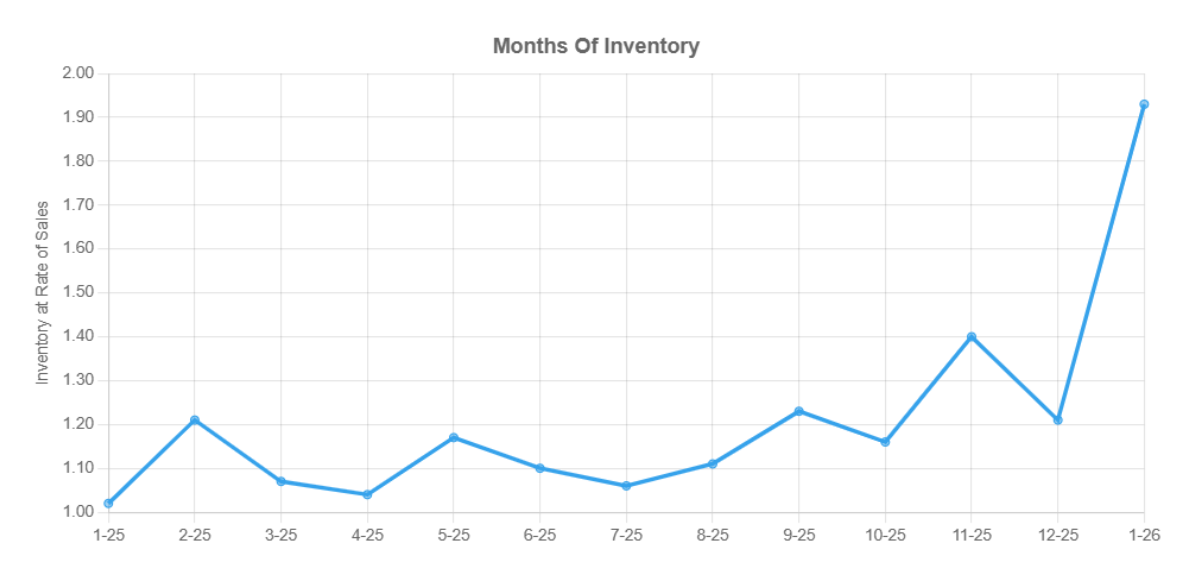
That pushed months of supply to 1.93 months.
For context, a balanced market typically requires 4–6 months of inventory. So while buyers have more choices than they did last year, conditions still favor sellers overall.
Inventory is improving — but not flooding.
What Buyers Likely Noticed in January
If you were shopping for a home in January, the market likely felt different from early 2025.
There were more homes to choose from compared to last January, when only 571 properties were active. That increase gave buyers more breathing room and slightly more negotiating ability.
However, the market was far from slow.
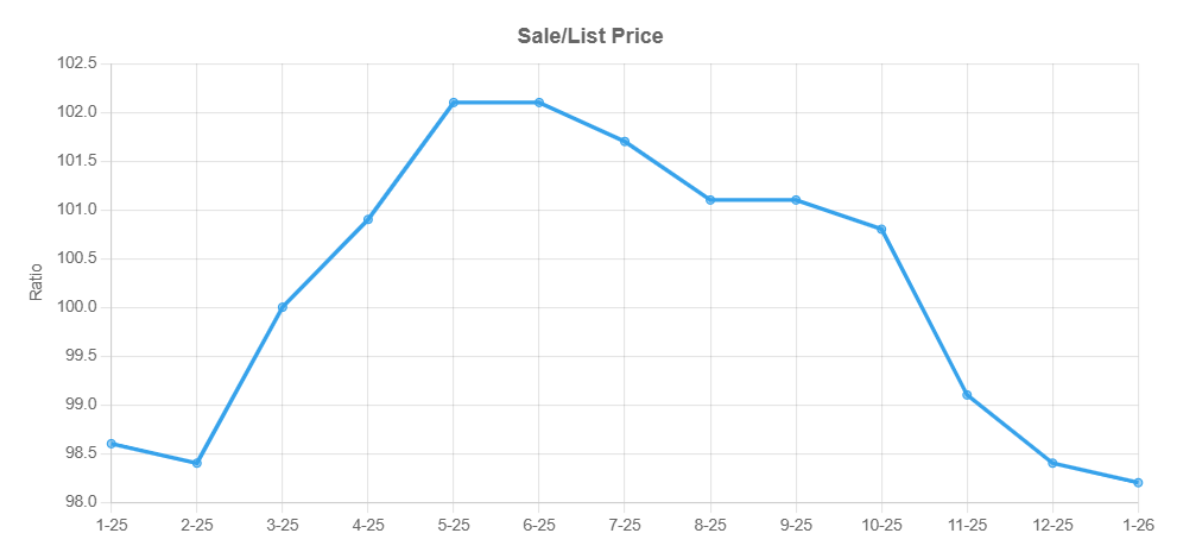
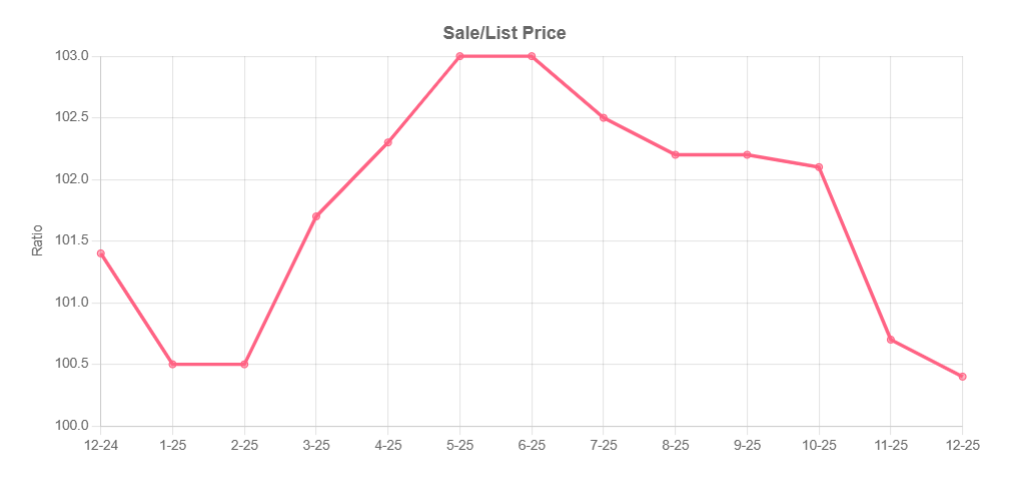
Most homes continued to sell right around their asking price, with buyers paying about 100% of list price on average. Well-priced, move-in-ready homes remained competitive and moved quickly.
At the same time, homes that entered the market overpriced or in dated condition tended to sit longer and often required price reductions before securing a buyer.
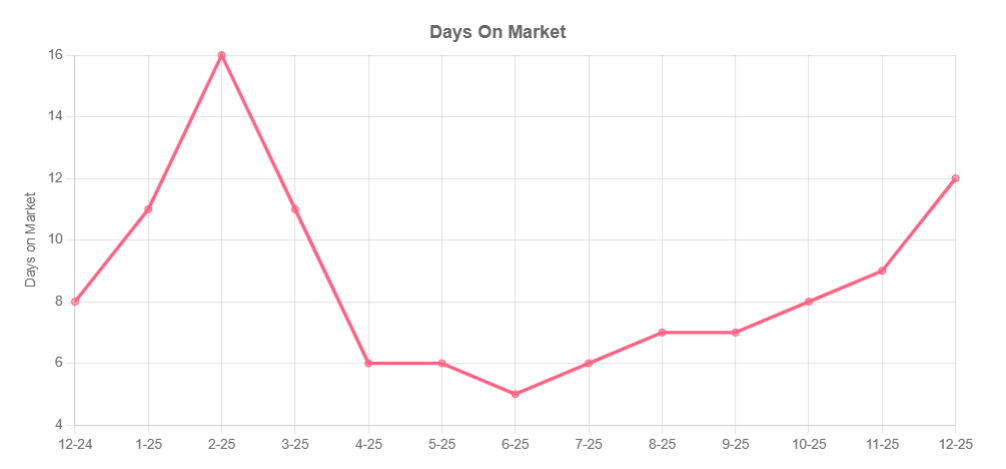
Homes typically went under contract in about two weeks. Buyers weren’t making instant decisions like they did in peak frenzy years, but hesitation could still mean missing out.
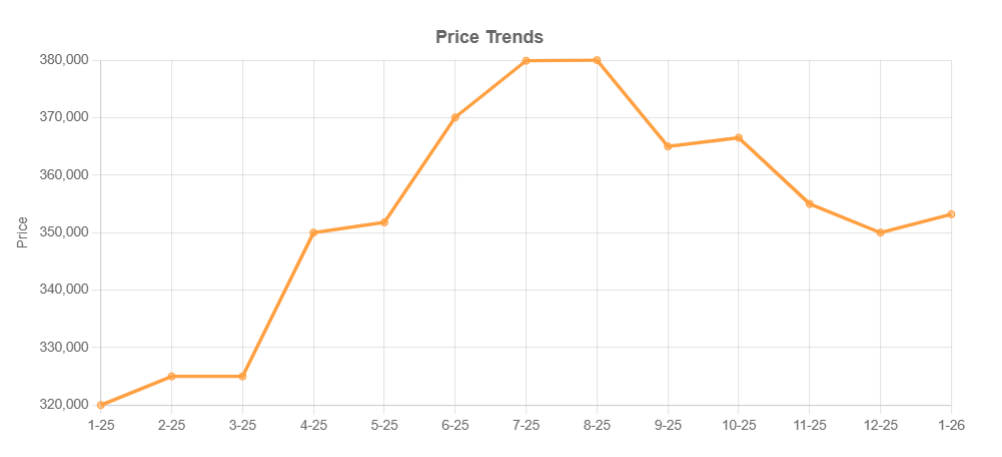
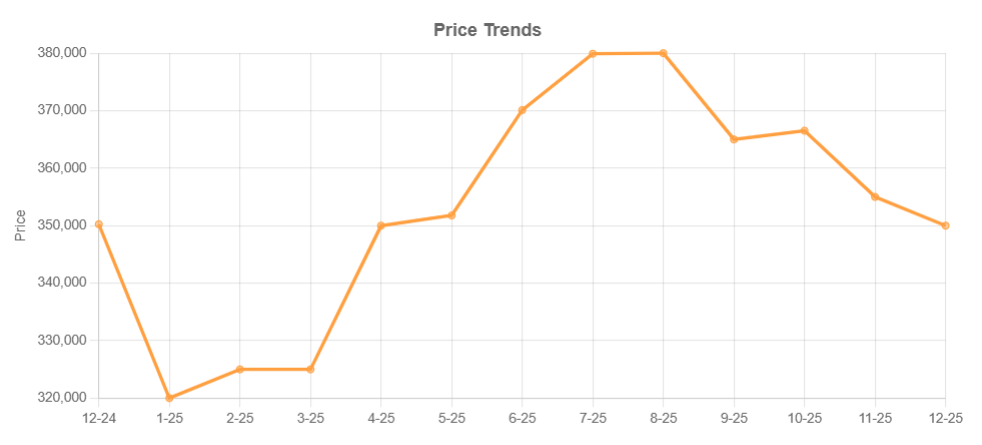
Affordability also remained a factor. With the median sale price rising to $353,200 compared to $320,000 a year ago, buyers were more payment-conscious and selective. They were willing to pay — but expected value.
What Sellers Likely Experienced in January
For sellers, January brought more competition.
With 913 active listings compared to 571 last January, sellers faced noticeably more competition. Simply being on the market was no longer enough — pricing and presentation played a much bigger role.
Homes continued to sell very close to asking price overall. The average sale-to-list ratio held at 100.3%, showing that strong offers were still common for well-positioned properties.
However, final sale prices averaged 98.2% of original list price. That gap suggests that homes priced too aggressively needed adjustments before attracting serious buyers.
In short, the market rewarded realistic pricing from day one.
Homes that were prepared well and priced strategically continued to sell without major delays. Sellers who overreached experienced longer market times and more negotiation.
The January Takeaway
January 2026 was not a cooling market. It was a more balanced and rational one.
Buyers gained slightly more choice and leverage — but not control.
Sellers retained strength — but lost the excess advantage of prior years.
Prices remained steady.
Homes continued to sell.
Inventory improved but stayed limited.